English
 हिन्दी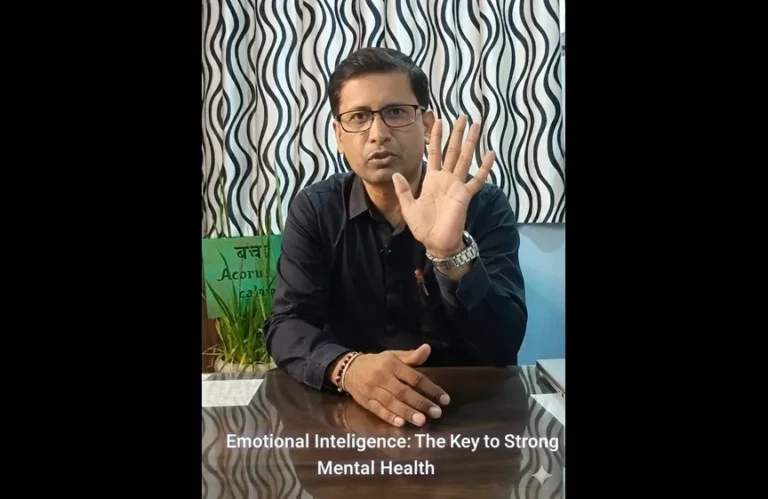
Emotional Intelligence for Stronger Mental Health

On the occasion of World Mental Health Day, this blog post delves deeply into the importance of Emotional Intelligence. In today’s world, where we talk about analytical, practical, creative, and artificial intelligence, discussing emotional intelligence becomes even more crucial. It not only improves our mental health but also gives us the strength to cope with life’s challenges.
In this blog post, we will explore the five key aspects of emotional intelligence explained in the episode, along with an in-depth discussion on how you can apply them in your life.
1. Self-Awareness: Knowing Yourself is the True Beginning
What is Self-Awareness?
Self-awareness means being aware of your thoughts, emotions, behavior, and reactions. It’s about knowing what you are thinking, why you are thinking it, and how your thoughts influence your behavior.
How to Develop Self-Awareness?
- Daily Reflection: Spend 5–10 minutes each day asking yourself – What did I do well today? What made me angry? Did I unintentionally hurt someone?
- Journaling: Start writing down your thoughts and emotions. This will help you understand your patterns.
- Mindfulness Practice: Calm your mind and stay present through meditation, pranayama, or breathing exercises.
- Seek Feedback: Ask close people for honest feedback on how they perceive you.
Why is it important? Without understanding yourself, you cannot control your behavior or emotions. Self-knowledge helps you overcome negative feelings like overthinking, guilt, or anger.
2. Self-Regulation: Guiding Your Emotions
What is Self-Regulation?
It is the ability to control your emotions, desires, and reactions. This doesn’t mean suppressing emotions, but learning to channel them in the right direction.
How to Practice Self-Regulation?
- Press the Pause Button: When anger or frustration arises, pause for 10 seconds before reacting, and take a deep breath.
- Identify Triggers: Recognize the situations or people that disturb you, and create strategies to deal with them.
- Relaxation Techniques: Use yoga, meditation, walking, or music to calm yourself.
- Positive Self-Talk: Tell yourself – “I can handle this”, “This situation is not permanent.”
Why is it important? Self-regulation protects you from being dominated by negative emotions, reduces conflicts in relationships, improves workplace performance, and helps maintain life balance.
3. Motivation: The Power to Move Forward
What is Motivation?
Motivation is the internal energy that drives you towards your goals, especially in challenging situations.
Ways to Boost Motivation:
- Positive Company: Spend time with people who inspire you and recognize your strengths.
- Set Goals: Break your objectives down into small goals and reward yourself upon achieving them.
- Choose Role Models: Follow someone who has achieved success despite hardships.
- Self-Care: Maintain good sleep, a balanced diet, and regular exercise to keep your body and mind healthy.
Why is it important? Without motivation, you cannot realize your dreams. It helps you escape despair, laziness, and the urge to give up.
4. Sympathy: Understanding Others’ Emotions
What is Sympathy?
Sympathy means understanding the emotions, difficulties, and situations of others and seeing things from their perspective.
How to Develop Sympathy?
- Active Listening: Listen carefully without interrupting when someone shares their thoughts.
- No Judgement: Avoid criticizing anyone without knowing their situation.
- Ask Questions: “What happened?”, “How are you feeling?” – ask such questions.
- Offer Support: Extend help when needed, even if it’s just by listening.
Why is it important? Sympathy strengthens relationships, increases cooperation at work or within families, and brings positivity in society. It also protects you from emotions like anger, envy, and fear.
5. Social Skills: Connecting with Society
What are Social Skills?
These are the abilities that help you build good relationships, work well in teams, and play a positive role in society.
How to Improve Social Skills?
- Networking: Meet new people and maintain connections with old friends.
- Communication: Present your thoughts clearly, politely, and effectively.
- Teamwork: Collaborate with others and respect their opinions.
- Community Service: Help those in need and contribute to society.
Why is it important? Humans are social beings. Good social skills reduce loneliness, depression, and stress, and provide a support system even in adversity.
Conclusion: Adopt Emotional Intelligence, Strengthen Mental Health
This episode highlights that the five pillars of emotional intelligence – self-awareness, self-regulation, motivation, sympathy, and social skills – not only improve mental health but also make life balanced, successful, and joyful.
Special Advice:
- Connect with yourself daily and understand your emotions.
- Don’t suppress negative emotions; guide them in the right direction.
- Stay motivated and spend time with positive people.
- Respect others’ feelings and show empathy.
- Connect with society and build good relationships.
Remember:
Even in this era of artificial intelligence, emotional intelligence remains the most essential. Embrace it and make mental health your top priority.
If you enjoyed this post, be sure to share it with friends and family, and write your experiences in the comments.
Wishing you a Happy World Mental Health Day!